


Wasgamuwa National Park is a place to see animals in Sri Lanka that not many people know about. It is between the Matale and Polonnaruwa districts. Wasgamuwa National Park is really famous for its Sri Lankan elephants lots of birds and a more peaceful safari experience than other parks, like Yala.
Wasgamuwa National Park is 393.2 km² big. It became a National Park in 1984. Before that Wasgamuwa National Park was a place where animals could live without being hurt and a special nature reserve. People protected Wasgamuwa National Park to help animals that had to leave their homes because of the Mahaweli Development Project.
If you want to see Sri Lankan elephants without all the crowds you should really think about going to Wasgamuwa National Park. Wasgamuwa National Park deserves consideration.
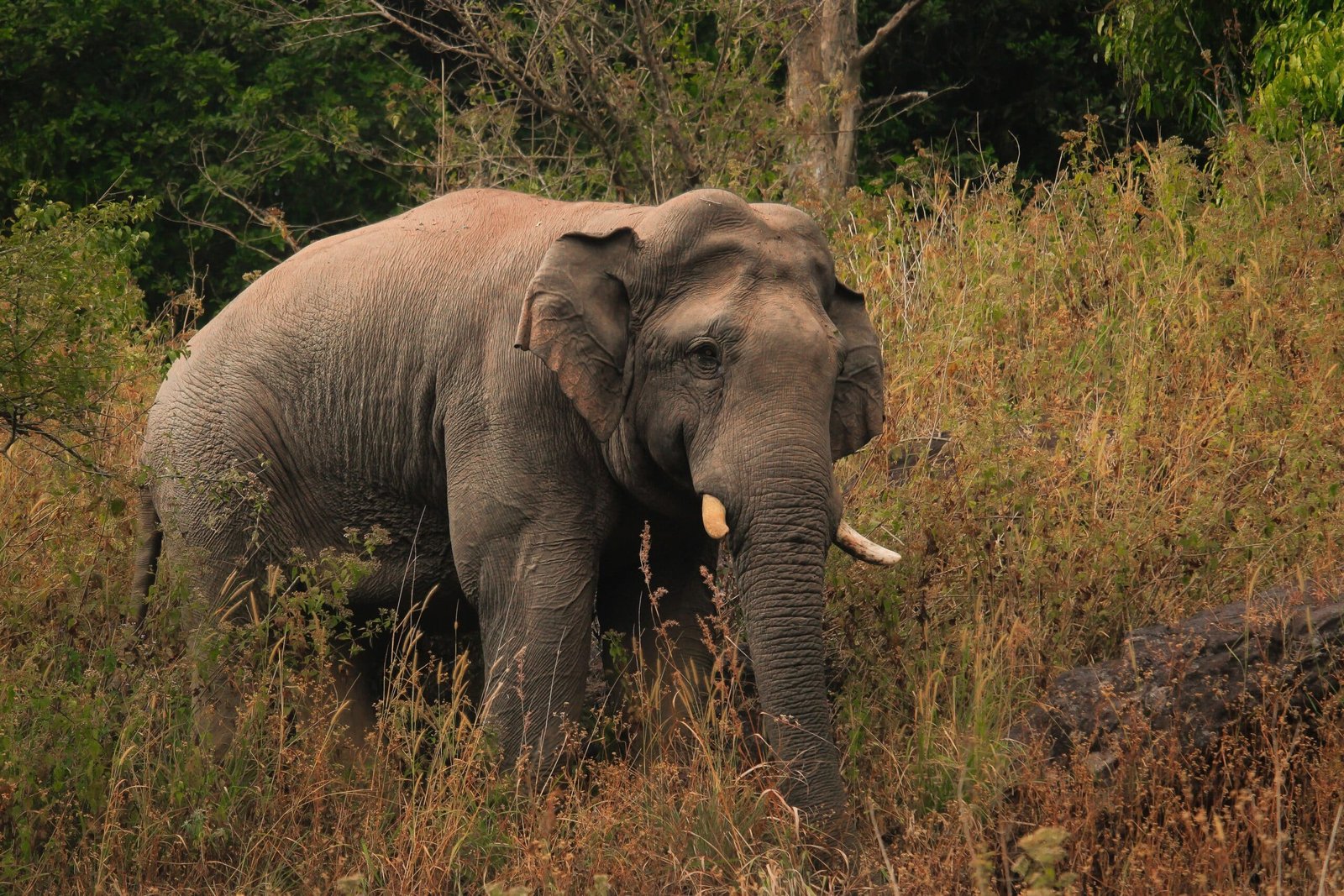
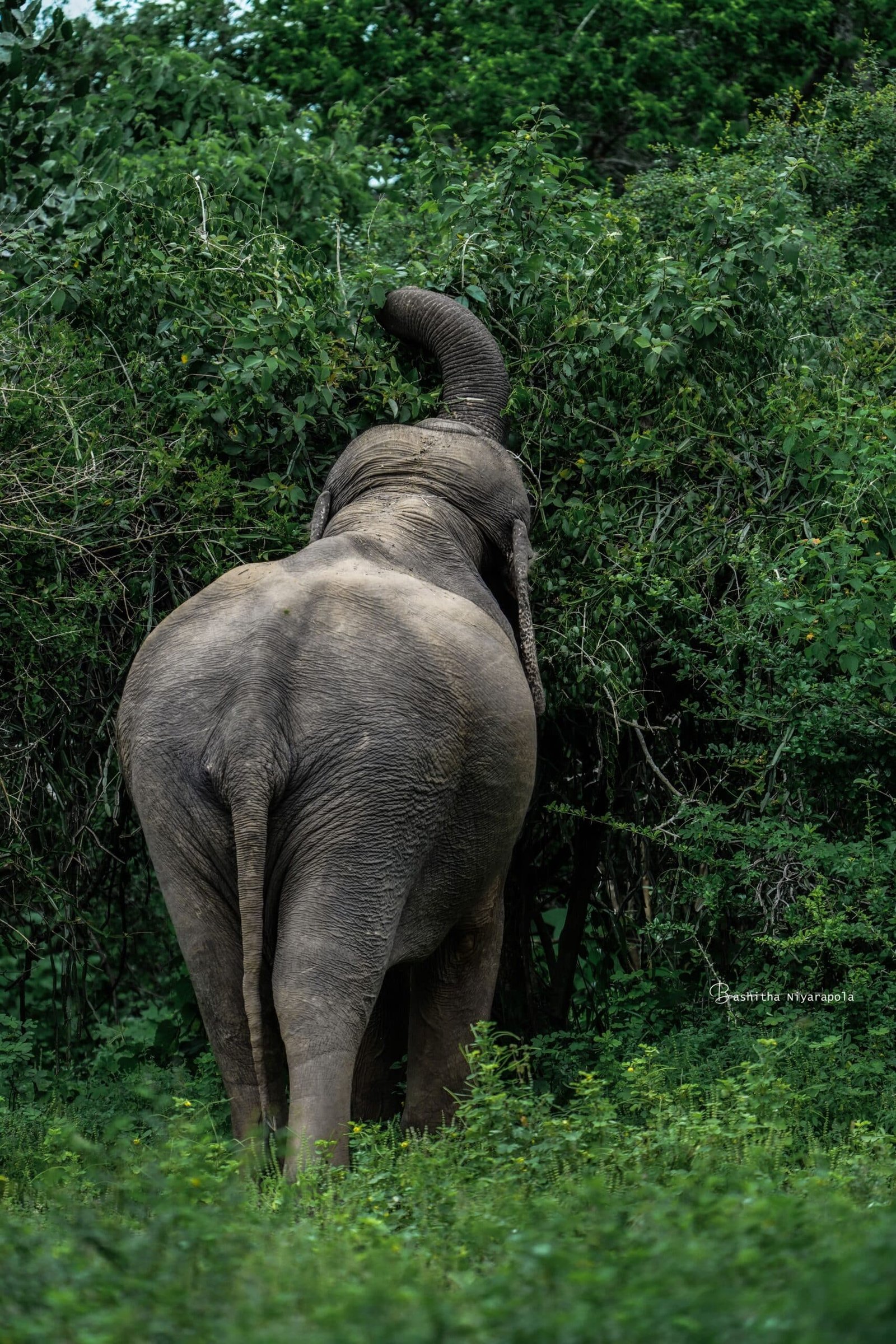
Wasgamuwa’s elephant population
Sri Lanka Tourism reports that the park is home to a herd of around 150 Sri Lankan elephants, including elephants associated with the Mahaweli River area.
The best period for seeing larger elephant gatherings is generally November to May. During other parts of the year, elephants may move toward other areas, including Minneriya and Kaudulla.
For travelers specifically interested in elephants, Wasgamuwa can therefore be an excellent alternative to the more famous parks.
What animals can you see?
Common or realistic sightings
🐘 Sri Lankan elephant
The park’s main attraction.
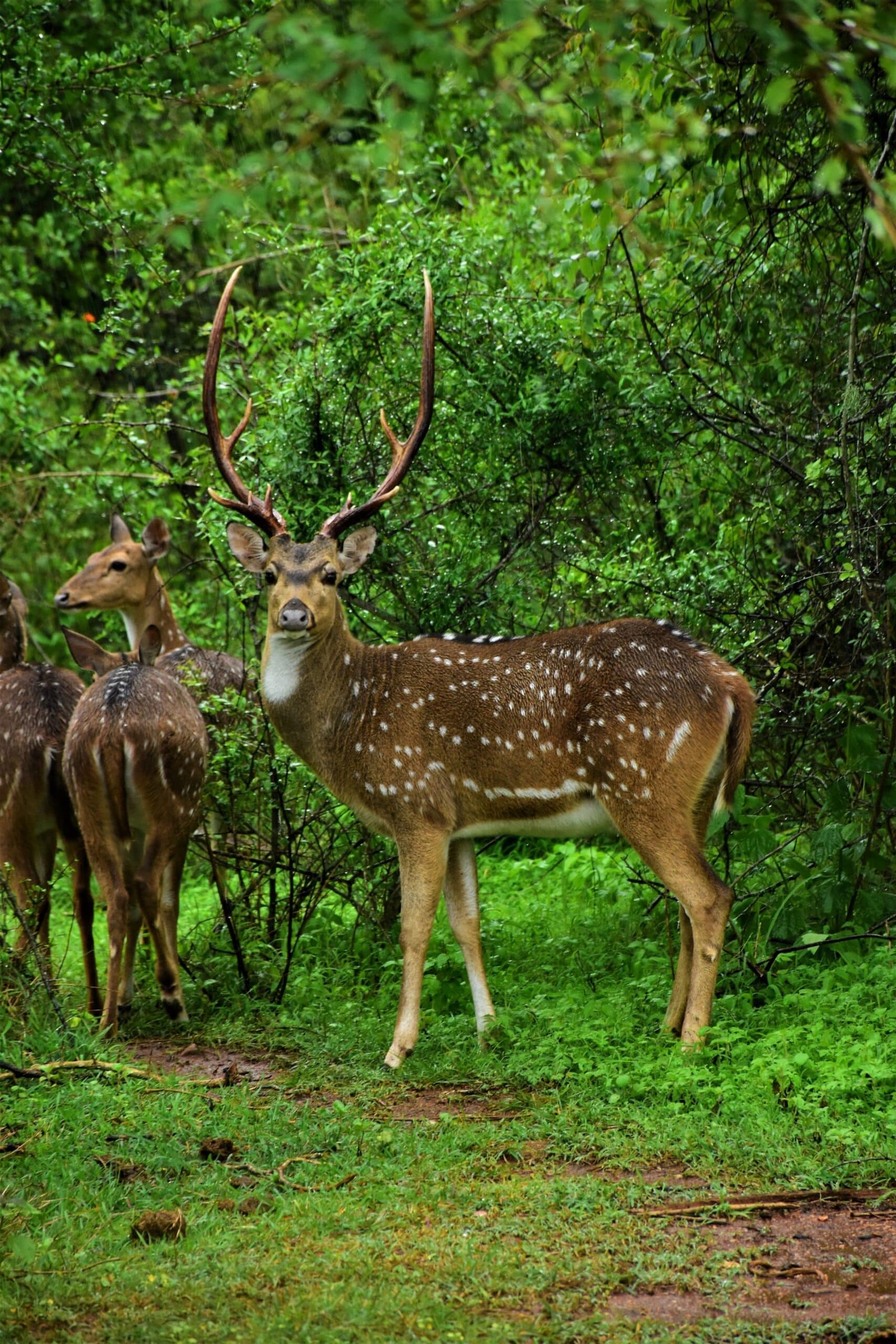
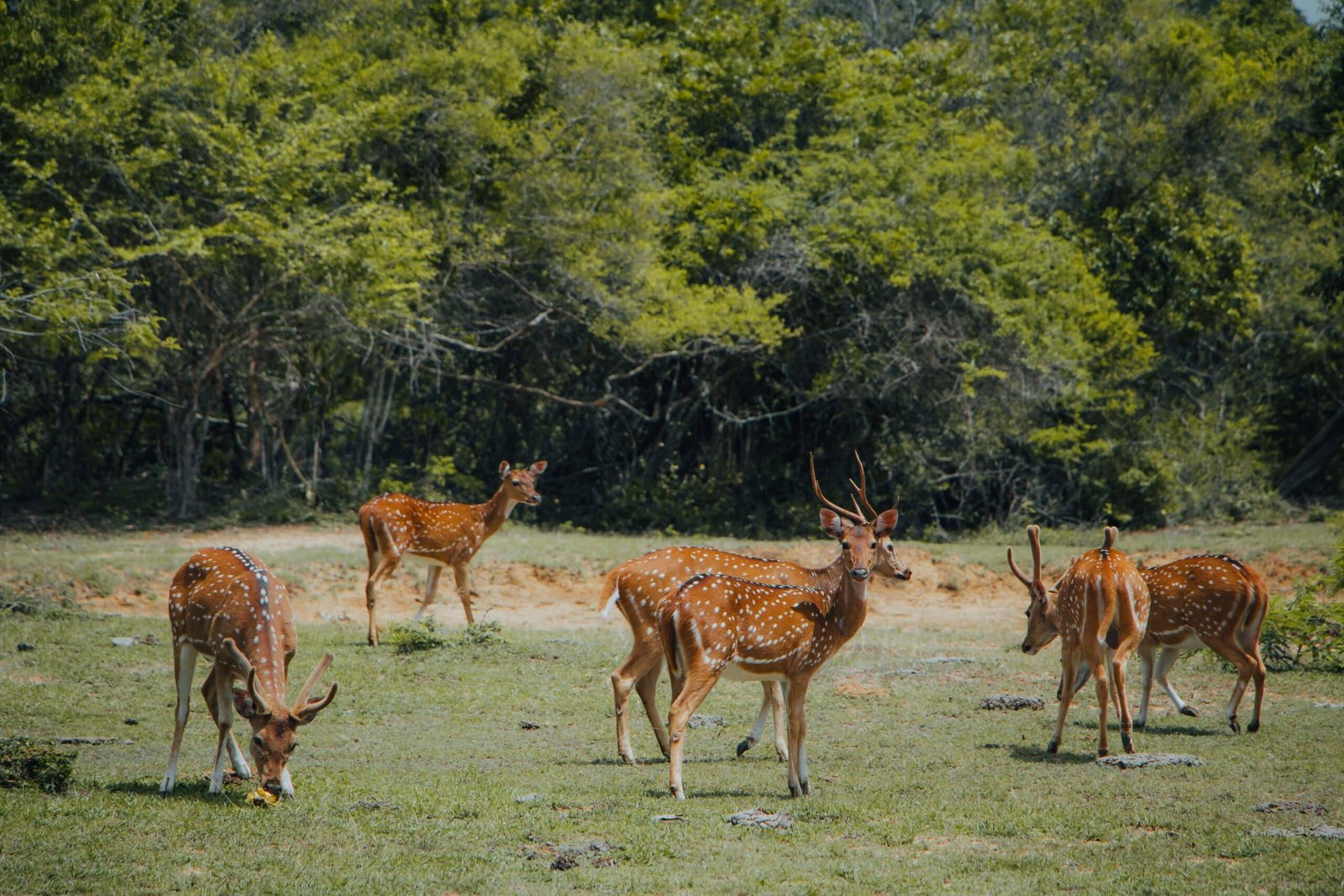
🦌 Spotted deer
Often seen in open areas and grasslands.
🦌 Sambar deer
Another important herbivore.
🐃 Wild water buffalo
Frequently associated with wetlands and water bodies.
🐒 Toque macaque
A Sri Lankan endemic monkey.
🐒 Purple-faced langur
Another endemic Sri Lankan primate.
🐗 Wild boar
A common dry-zone mammal.
More difficult sightings
🐆 Sri Lankan leopard
Present but much less predictable than elephants and deer.
🐻 Sri Lankan sloth bear
One of the park’s most exciting possibilities, but never guaranteed.
🐈 Fishing cat
Recorded in the park but difficult to encounter.
🐾 Golden jackal
Another possible sighting.
The park’s biodiversity records also mention slender loris and other less frequently encountered mammals

Sloth bears: the special bonus
For people who really love wildlife the sloth bear is a reason to go to Wasgamuwa.
The sloth bears in Sri Lanka are very hard to find. You should not think that you will see one just because they live in the park.
Your chances of seeing a sloth bear depend on things, including:
🐻 Season
🐻 Food availability
🐻 Time of day
🐻 Location
🐻 Your guides knowledge
🐻 Pure luck
Some people who run safaris think that June and July can be months to see sloth bears because some fruits are available then.. You should still think about the whole season and how it affects elephants and the rest of the safari.
If you really want to see elephants it is better to go from November to May.
If you are a photographer and you really want to take pictures of a sloth bear you should talk to someone who knows a lot, about safaris in the area before you plan your trip. The sloth bear is what you are looking for so you need to plan to see the sloth bear.
The landscape
The scenery in Sri Lankas zone is really something else but what is interesting is that it is also very varied.
You will see a lot of things when you are there.
These things include:
🍃 Dry evergreen forest
🍃 Dense forest that provides shelter and food for mammals like elephants and deer and buffalo
🍃 Open grasslands
These areas are really good for spotting elephants and deer and buffalo.
You will also see riverine forest.
The Mahaweli and Amban river systems are very important for Sri Lankas zone and they help to make the park a great place for many different types of animals.
Then there are the reservoirs and wetlands.
These are great for waterbirds and wildlife that need water.
The national biodiversity database says that there is forest across much of Wasgamuwa and also a lot of open plains in the eastern and southeastern parts of the park, which is, in Sri Lankas dry zone.
Oru Bendi Siyambalawa
Another unusual natural feature is the famous ancient tamarind tree known as “Oru Bendi Siyambalawa.”
Sri Lanka Tourism describes it as approximately 1,700 years old. The Sinhala name refers to the idea of canoes being moored to the tree.
It’s a fascinating reminder that the landscape protected by the national park has a very long human and ecological history.

Going on safari
To see the park people usually go on a 4WD jeep safari.
This is a way to explore the park. A half-day safari is enough for people who are visiting the park for the first time.
The local people who run the safaris usually give you an options. These options are:
♦️ Morning safari
♦️ Afternoon or evening safari
♦️ safari
♦️ Full-day safari
One of the local companies that does the safari says they leave in the morning around 6:00 AM and, in the afternoon around 2:30 PM. They also have full-day 4WD jeep safari options.
The times when the 4WD jeep safari leaves and the prices can change. So it is an idea to check these things with the company you choose before you travel on the 4WD jeep safari.
Morning safari
Best for: birdwatching, cooler weather and active wildlife.
Advantages:
Cooler temperatures
Excellent morning light
Birds are active
Animals may be moving after sunrise
If you only have one safari, morning is my first choice.
🌅 Afternoon safari
Best for: elephants, warm evening light and a more relaxed experience.
As temperatures drop later in the day, animals may become more active around water.
☀️ Full-day safari
Worth considering if:
Wildlife photography is your priority
You want to maximize opportunities for leopard/bear sightings
You have plenty of time
You don’t mind spending a full day in a jeep

Best time to visit
November–May: best overall period
This is the strongest recommendation if elephants are your main goal.
Sri Lanka Tourism specifically identifies November through May as the best period for seeing large elephant herds.
You generally get:
Better elephant viewing
Drier conditions
Easier safari-road conditions
Good wildlife visibility
June–October
The park can still be rewarding, particularly for nature and bird enthusiasts.
However, elephant movements change seasonally, and some elephants may move toward Minneriya and Kaudulla
How to get to Wasgamuwa National Park
From Kandy
Travel east along the Kandy–Mahiyangana Road (A26).
From the Hasalaka area, continue toward Wilgamuwa and Wasgamuwa.
Allow several hours, depending on your exact starting point and road conditions.
From Dambulla/Sigiriya
Wasgamuwa can be incorporated into a Cultural Triangle itinerary.
This is one of the best ways to visit because you can combine:
Sigiriya → Dambulla → Wasgamuwa → Kandy
or
Polonnaruwa → Wasgamuwa → Kandy
From Polonnaruwa
The park is particularly convenient to combine with Polonnaruwa because both are in the north-central part of the island.
⭐⭐When you are planning a trip to Sri Lanka Wasgamuwa is a place to visit as part of a bigger trip.
You can see a lot of Sri Lanka by combining Wasgamuwa with places.
One way to do this is to visit the Cultural Triangle and see some wildlife.
You can go to Dambulla, Sigiriya then Polonnaruwa, then Wasgamuwa and finally Kandy.
This is an idea for people who are visiting Sri Lanka for the first time.
⭐⭐Another option is to visit Kandy and then see some wildlife.
You can go to Kandy then Wasgamuwa and then Polonnaruwa.
This is a choice if you are heading to the Cultural Triangle.
If you really like wildlife you can visit Kandy, then Wasgamuwa, Minneriya or Kaudulla and then Sigiriya.
This way you can see elephants times.
⭐⭐You can also visit the mountains. See some wildlife.
You can go to Kandy, Knuckles then Wasgamuwa and then Polonnaruwa.
This is an idea, for people who like to hike and see animals.
Important practical consideration: infrastructure
Wasgamuwa is intentionally less developed than some of Sri Lanka’s major safari destinations.
That means:
✨Pros
Fewer tourists
More wilderness
More relaxed wildlife encounters
Authentic atmosphere
✨Cons
Fewer accommodation choices
Fewer restaurants
Longer access roads
Safari jeeps should ideally be arranged in advance
This is one destination where a little advance planning pays off.