


The Rock Behind Sri Lanka’s Lion Fortress
Sigiriya, also known as Lion Rock, is one of Sri Lanka’s most remarkable natural and archaeological landmarks. Rising roughly 180–200 metres above the surrounding plains, the massive rock supports the remains of an ancient 5th-century fortress.
What Type of Rock Is Sigiriya?
Sigiriya is mainly a hard crystalline metamorphic rock, with geological sources describing the area as containing gneisses and charnockites. A detailed study of the Sigiriya region describes the rock as an erosional remnant of migmatitic, garnet-bearing gneisses, while the surrounding Highland Complex includes charnockites and other ancient metamorphic rocks.
You may also see Sigiriya described more simply as a granite peak in some heritage references, including UNESCO’s description.
Why Does Sigiriya Stand So High?
The dramatic shape of Sigiriya comes from erosion over an extremely long geological period. The harder rock resisted weathering better than the surrounding material. As softer rocks gradually eroded away, the resistant rock remained as a towering isolated formation.
This type of landscape feature is known as an erosional remnant or inselberg.
How Old Is the Rock?
The rock itself is vastly older than the fortress. The geological formations of Sri Lanka’s Highland Complex formed deep in Earth’s crust over geological timescales, while the famous palace and fortress were constructed much later, during the reign of King Kassapa I around 477–495 CE.
So, when you climb Sigiriya, you are standing on a geological formation that existed long before the ancient kingdom was built.
Why Was Sigiriya Perfect for a Fortress?
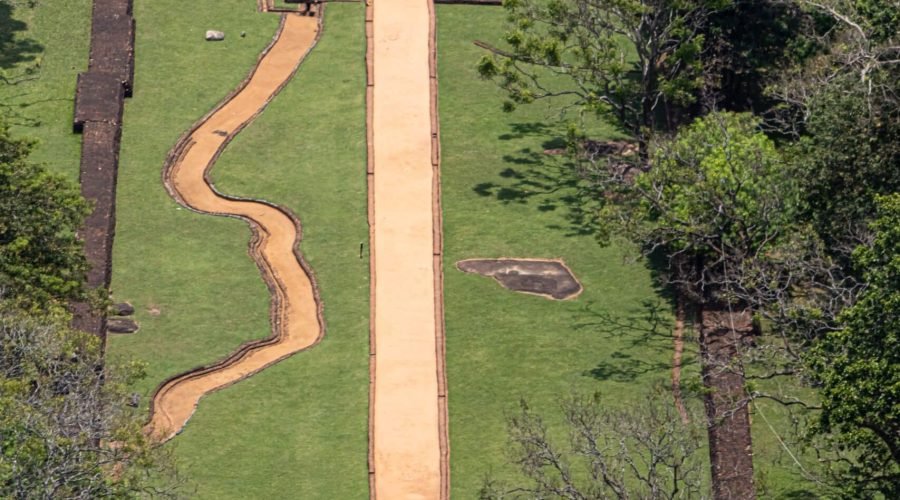
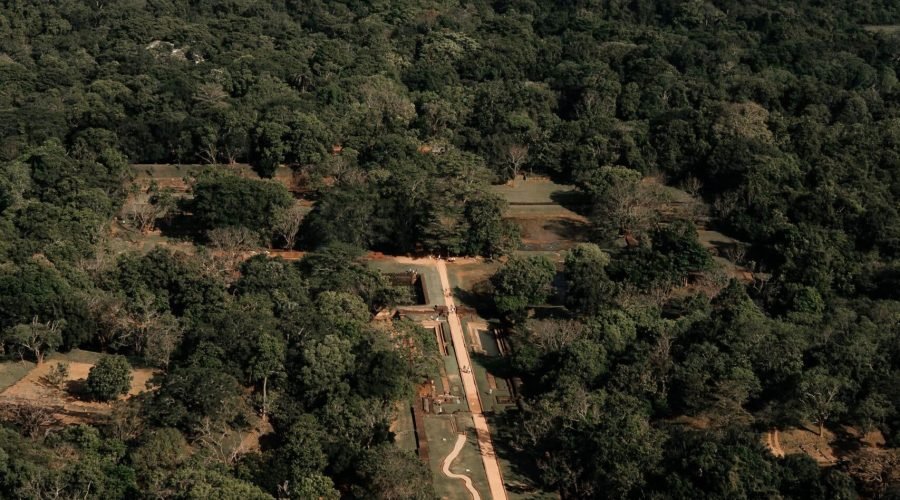
Its natural strength and steep sides made Sigiriya an excellent defensive location. King Kassapa transformed the summit into a royal citadel, while gardens, moats, walls, stairways, and other structures were developed around the rock.
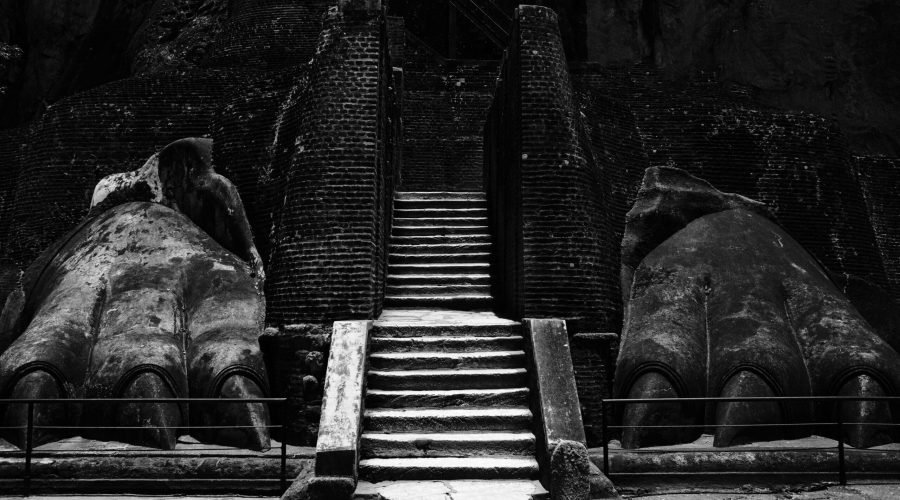
The famous Lion’s Paws still mark the entrance to the upper section.
When You Visit
You can see a lot of things when you go to Sigiriya. Climbing Sigiriya is a way to see the rock and the old things that people left behind.
Some things to look for’re
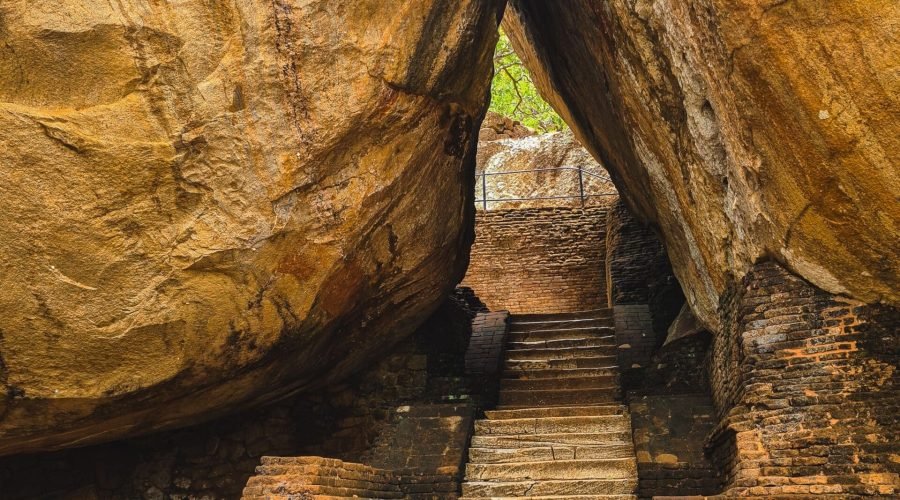
✅ Big rocks that are not covered
✅ Old stairs
✅ Lions Paws
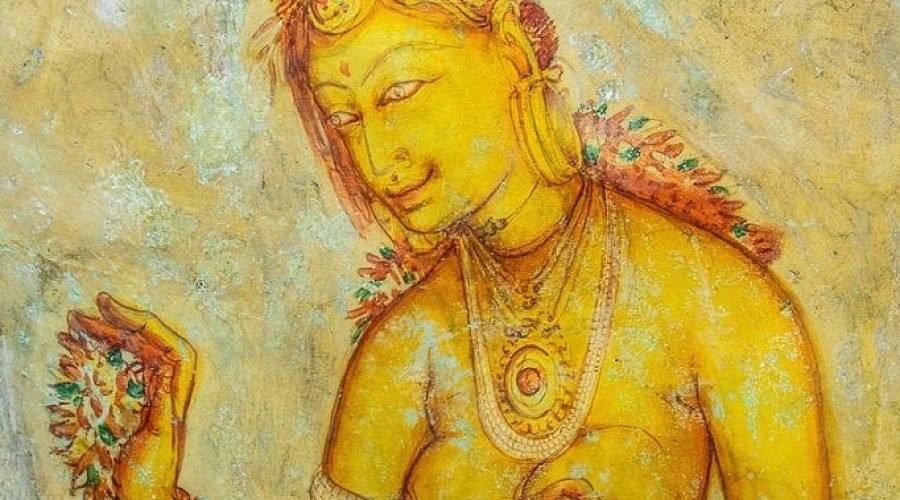
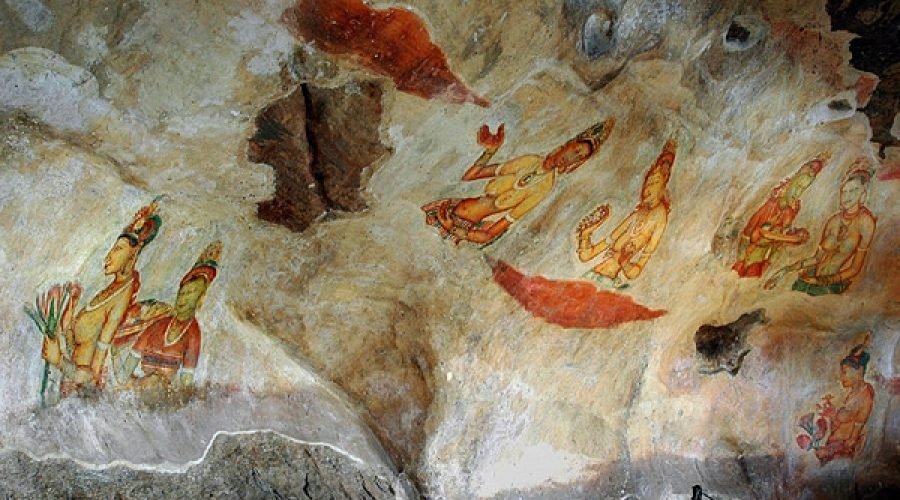
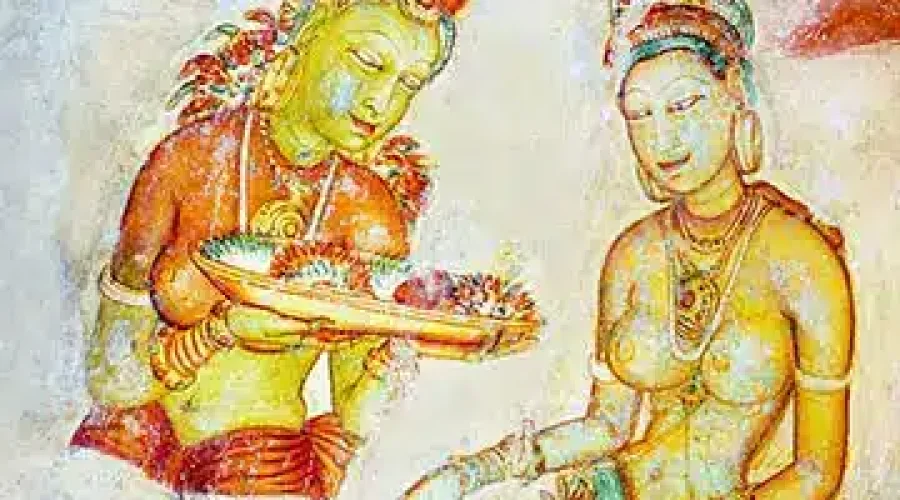
✅ Sigiriya frescoes
✅ Mirror Wall
✅ Water gardens
✅ Boulder gardens
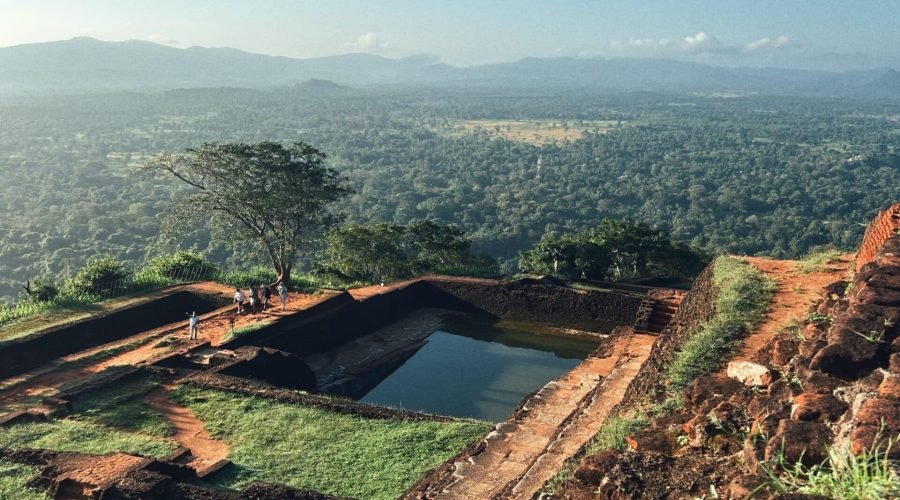
✅ The old ruins at the top
✅ You can see the area from the top
Why Sigiriya is So Special
Sigiriya is not just an old fort on a rock. Sigiriya is an interesting place with rocks and old things and art and buildings and nice gardens.
The big difference between the old rock and the nice gardens below is what makes Sigiriya so special, in Sri Lanka.
Travel Tip
Start your climb early in the morning. The weather is usually cooler, and the soft morning light creates excellent views and photographs.
Wear comfortable shoes, carry enough water, and allow around 2–3 hours to explore the main site comfortably.